Five steps · problems & AI solutions
The whole climate chain, made glass-box
From avoiding heat load to guest comfort — each step with the typical problems and what the AI does about them.
Step 1
Avoid heat load
prevention
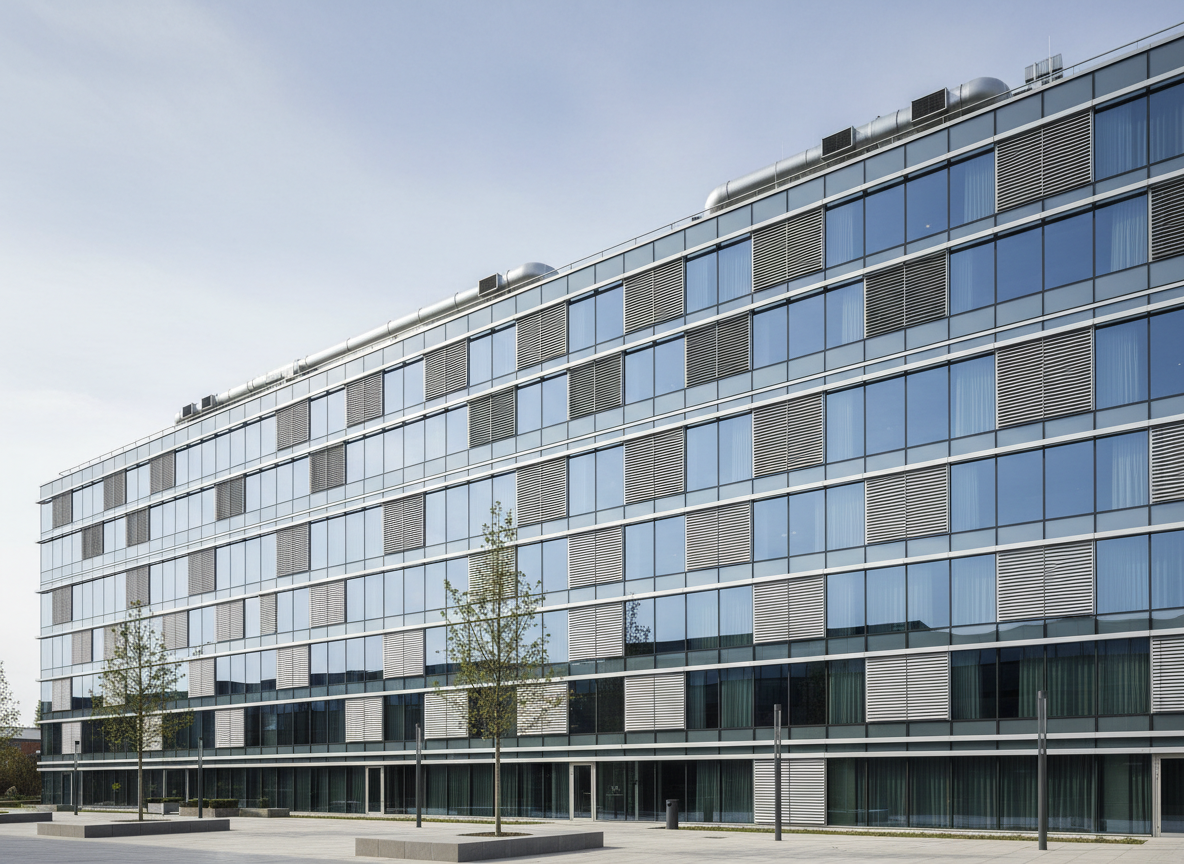
Reduce sun, outdoor temperature and thermal bridges first. Prevention is the best cooling.
❌ Typical problems
- No shadingsouth windows without blinds = +3 °C room temperature
- Old windowssingle glazing lets heat in AND out
- No insulationuninsulated roof + facade = cooling energy drains away
✅ Stromfee solutions
- Auto blindssun-position based — east in the morning, south at noon, west in the evening
- Smart glasselectrochromic glazing darkens on demand
- Green roofplants cool by −5 °C — no active cooling needed
−25%Cooling load — less heat in means less cooling needed.
Step 2
Cooling generation
40% of energy use
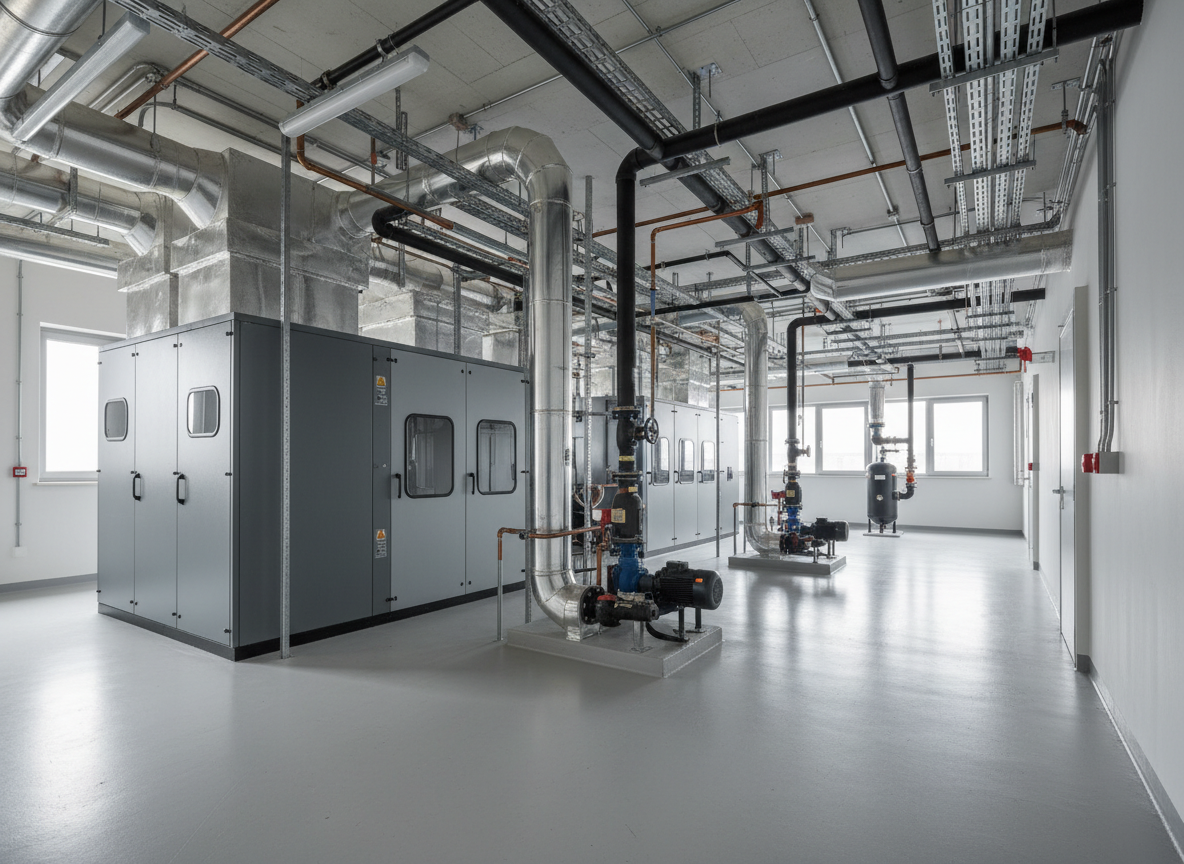
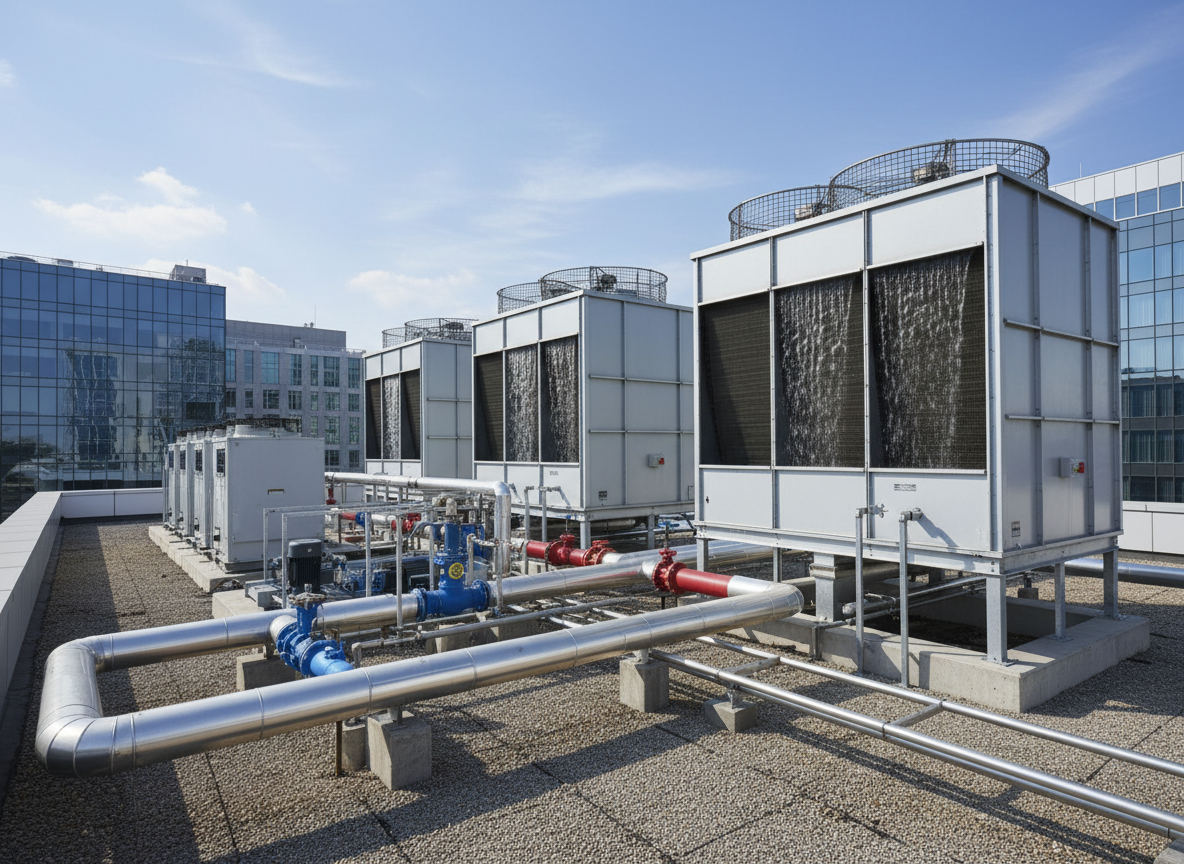
Chillers, cooling towers, cold storage — the biggest single climate load.
❌ Typical problems
- Oversized500 kW chiller for a 300 kW demand = inefficient
- Fixed flow temperaturealways 6 °C when 12 °C would do
- Peak coolingchiller at maximum at noon = most expensive power
- Fouled condensersefficiency drops 15%/yr without cleaning
✅ Stromfee solutions
- Load forecastthe AI knows tomorrow's cooling need — chiller staging
- Gliding flow temperatureat 28 °C outdoors, 14 °C flow is enough = COP +20%
- Ice storagemake ice at night, cool with it by day = peak shaving
- Predictive maintenancecleaning alert on COP decline
Scroll chiller300 kW · COP 5.5
Cooling tower400 kW · 15 kW
Ice storage500 kWh
Free coolingsaves 80%
−45%Chiller cost — via ice storage, gliding flow temperature and staging.
Deep-dive wizard: Heat-pump cascade →
Step 3
Air distribution
25% of energy use
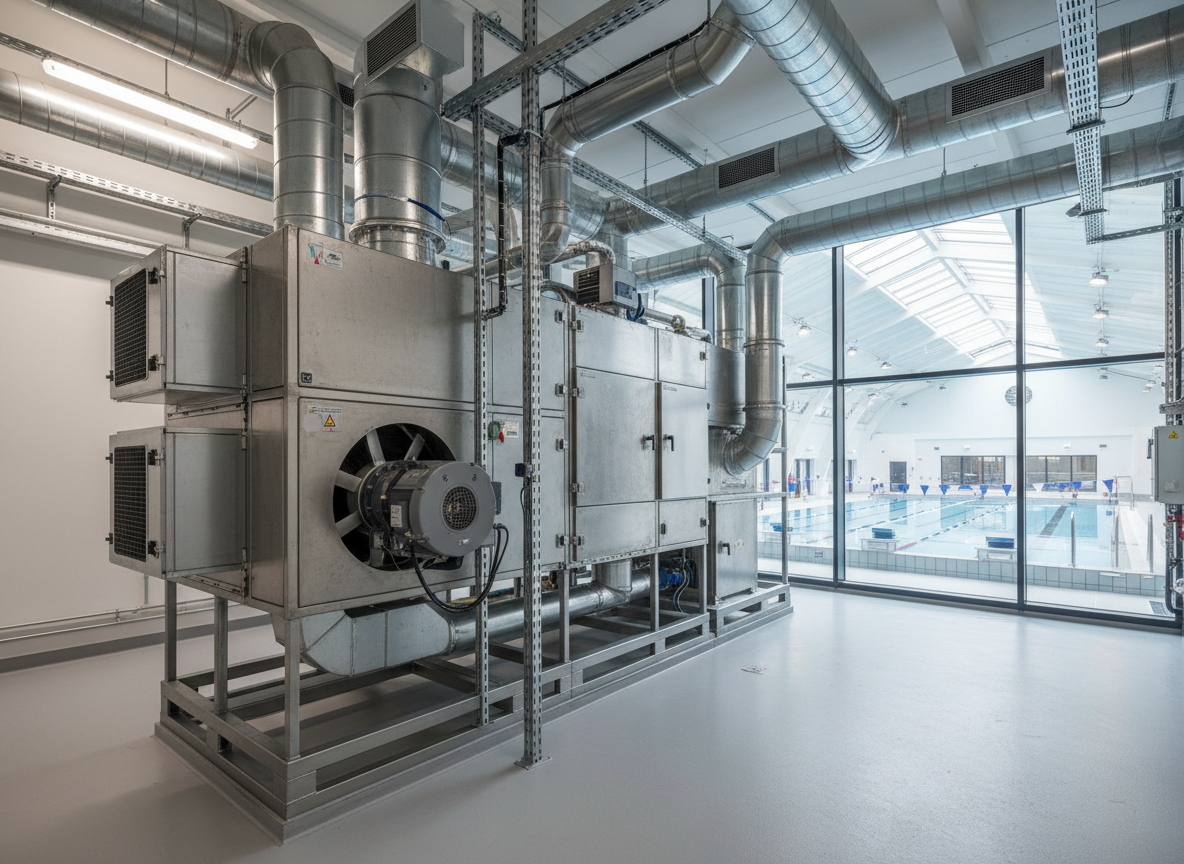
Air-handling units, ducts, fans — moving conditioned air to where it is needed.
❌ Typical problems
- 100% fresh airno recirculation = cooling everything from scratch
- Constant fan speedfans run at 100% even at 30% demand
- Leaky ducts20% of the cooled air is lost into false ceilings
✅ Stromfee solutions
- CO₂-based recirculation70% recirculated when CO₂ is fine = 70% less cooling
- VFD fansspeed follows demand — the cube law does the rest
- Leak detectionpressure sensors find leaks in the duct system
−50%Fan cost — via VFD, CO₂ recirculation control and leak repair.
Deep-dive wizard: Air handling (total) →
Step 4
Room climate
30% of energy use
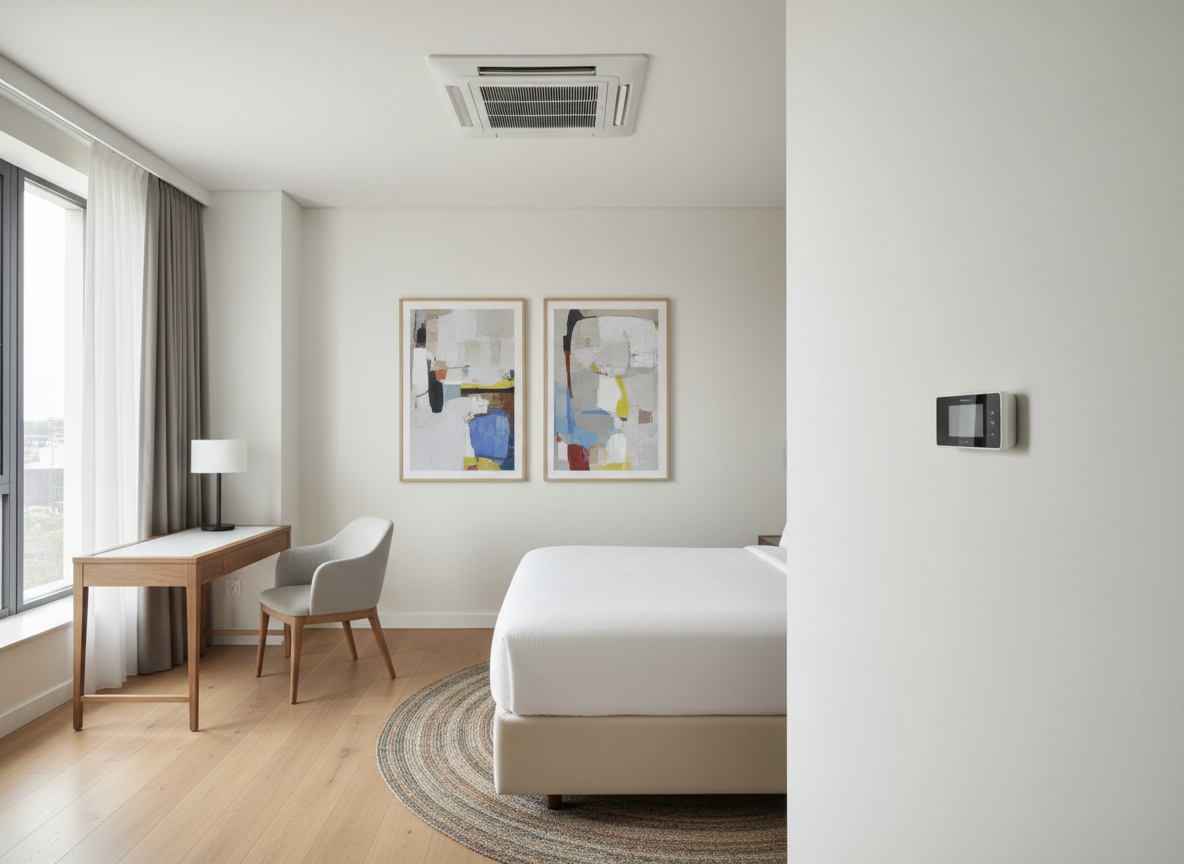
Fan-coil units, thermostats, zoning — the last metre to the guest.
❌ Typical problems
- Guest sets 16 °Cthe AC fights against physics
- Window open + AC onthe guest ventilates and cools at the same time
- Cooling an empty room22 °C even while the guest is at the beach
- On/off thermostatno modulation, just on or off
✅ Stromfee solutions
- Limit 20–26 °Cthe guest chooses, but within an efficient range
- Window contactAC stops automatically when a window is open
- Presence set-backno guest = hold 28 °C instead of 22 °C
- Pre-conditioningthe PMS signals check-in → the room is cooled BEFORE arrival
Fan-coil unit3 kW × 360
Smart thermostatWiFi + presence
Window contactZigbee
Key-card switchmaster-off
−35%Room energy — via presence set-back, window contacts and pre-conditioning.
Deep-dive wizard: Hall climate →
Step 5
Guest comfort
bonus · better reviews
Measure satisfaction, prevent complaints — comfort is a revenue lever, not just a cost.

❌ Typical problems
- "Room too warm!"the guest complains — housekeeping runs
- Bad reviews"air-conditioning loud and ineffective" = 1 star
✅ Stromfee solutions
- Proactive monitoringroom 312 not reaching target → maintenance ticket
- Comfort scorea dashboard shows which rooms have problems
- Better reviewsfewer climate complaints = higher guest satisfaction
+0.3★Rating uplift — fewer climate complaints lift guest satisfaction.