Circulation loop
Hot water — tank, charging and circulation. Part of the glass family — like our glass BESS, biogas plant and CHP.
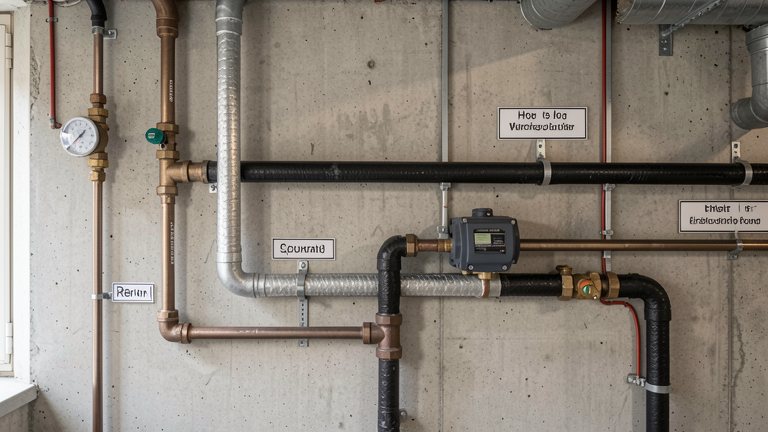
Tank → Circulation pump → Pipe loop → Draw-off points
Hot water — tank, charging and circulation. Part of the glass family — like our glass BESS, biogas plant and CHP.
The circulation loop keeps the pipework warm so hot water arrives at the tap instantly. It is a continuous consumer: it runs around the clock, even when nobody draws water.
Legionella control sets the lower limit — the German The applicable standard requires at least 55 °C in the circulation return; US properties apply their governing standard (e.g. ASHRAE 188). Anything above that is paid-for loss, anything below is a hygiene risk. The operating point sits just above the limit.
Hot water — tank, charging and circulation.
Overview: The Glass Pool → · Markets: pool markets →
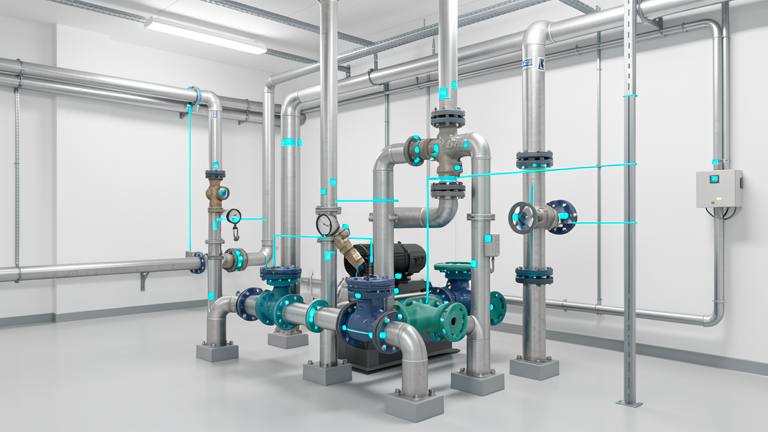
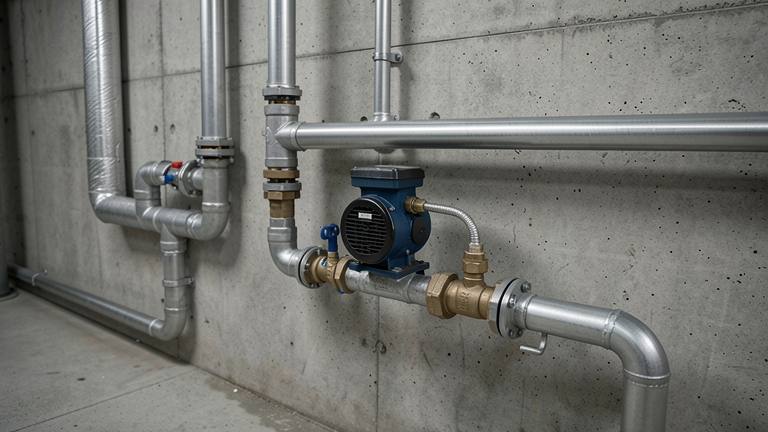
Monitored: continuously · loop return temperature
The scenario: The circulation loop runs to keep hot water instantly available. Its return temperature reveals how much of that heat simply travels in a circle and is lost on the way.
Method proven on a live European reference aquatic center; presented anonymously.
Estimate from metered / design values. Zero-grid-import windows are real (metered).
Grounded in the applicable national standards for pool water treatment, plant energy performance and building energy performance. Same knowledge base as the European reference site; presented anonymously.
The loop gives off heat to its surroundings 24 hours a day, regardless of draw-off. In buildings with long pipe runs and modest consumption this continuous loss exceeds the hot water actually used.
Basis: plant engineering
In potable water systems that is hygienically risky: longer stagnation at lukewarm temperatures favours legionella growth. The safe route is to reduce the flow rather than stop it — the temperature limit stays respected.
Basis: plant engineering
A very small spread means a lot of water circulating without giving up heat — usually short-circuiting through a failed valve. A very large spread means the return comes back too cold and the hygiene limit is at risk.
Basis: plant engineering
Stromfee.US licenses the pool & wellness HVAC AI — proven in Europe, deployed on your existing plant. Single property, portfolio or chain.
Request software license →