Charge point load management
EV charging — charge points, load management, service connection. Part of the glass family — like our glass BESS, biogas plant and CHP.
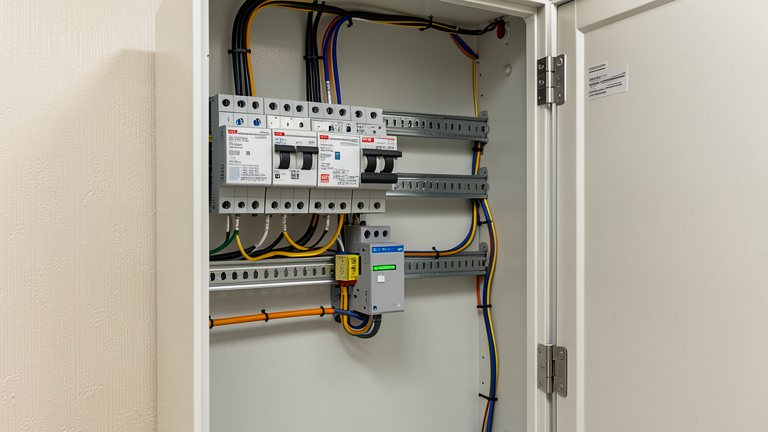
Service connection → Load management → Charge points → Vehicles
EV charging — charge points, load management, service connection. Part of the glass family — like our glass BESS, biogas plant and CHP.
Load management is the layer between the service connection and the charge points. It is given an upper limit and allocates it across the active vehicles in real time. Without that layer the rule is simply: whoever plugs in gets full power — until the connection is maxed out.
Two levels: static means the charging infrastructure gets a fixed budget. Dynamic means the budget is whatever the building currently leaves over — which requires the building load to be measured, not estimated.
EV charging — charge points, load management, service connection.
Overview: The Glass Pool → · Markets: pool markets →
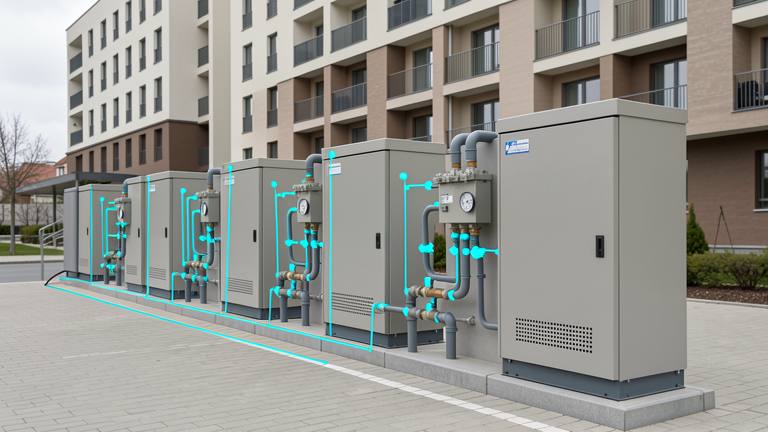
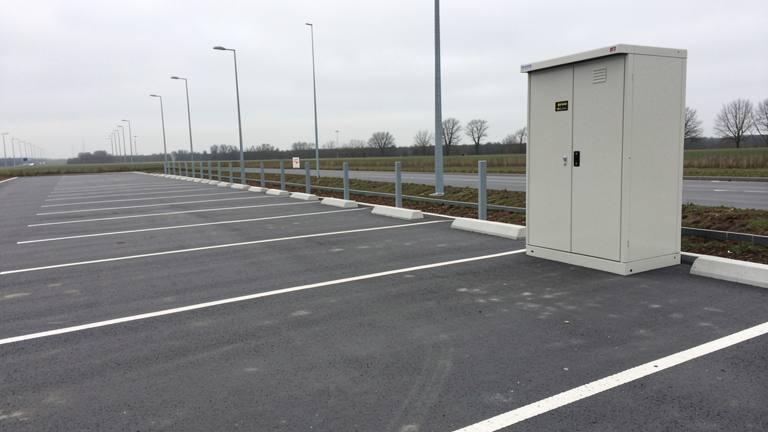
Monitored: continuously · shared power across the row
The scenario: Every charge point draws as if it were alone. When several start together, the connection limit is reached long before the vehicles are full.
Method proven on a live European reference aquatic center; presented anonymously.
Estimate from metered / design values. Zero-grid-import windows are real (metered).
Grounded in the applicable national standards for pool water treatment, plant energy performance and building energy performance. Same knowledge base as the European reference site; presented anonymously.
Static gives the charging infrastructure a fixed power budget regardless of what the building draws. Dynamic computes the budget continuously from the free connection capacity — which requires the building load to be measured.
Basis: plant engineering
It can defer or remove the need, because existing connection capacity is used better. Whether it suffices in a given case is shown by the measured headroom to the connection limit — not by a rule of thumb.
Basis: plant engineering
Only if dwell time is tight. That is why allocation is prioritised by departure time and it is logged whether anyone actually finished late — otherwise you are optimising blind.
Basis: plant engineering
Stromfee.US licenses the pool & wellness HVAC AI — proven in Europe, deployed on your existing plant. Single property, portfolio or chain.
Request software license →