Charge point & OCPP
EV charging — charge points, load management, service connection. Part of the glass family — like our glass BESS, biogas plant and CHP.
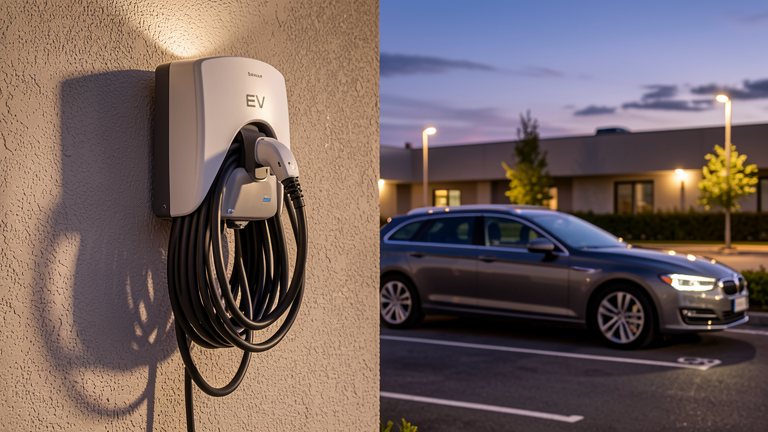
Service connection → Load management → Charge point → Vehicle
EV charging — charge points, load management, service connection. Part of the glass family — like our glass BESS, biogas plant and CHP.
From the building’s point of view a charge point is a very large but very flexible load. Large because it draws double-digit kilowatts; flexible because the vehicle usually stands there far longer than the charging itself takes.
OCPP is the open protocol between charge point and backend. It exposes status, power and energy per point — across vendors and without interfering with the charging control.
EV charging — charge points, load management, service connection.
Overview: The Glass Pool → · Markets: pool markets →
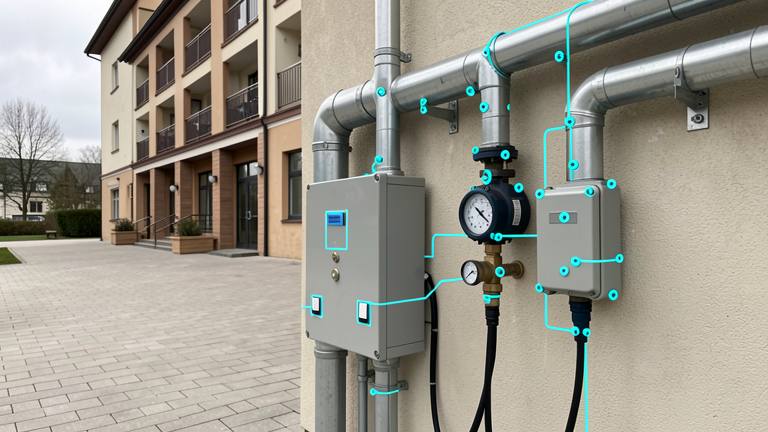
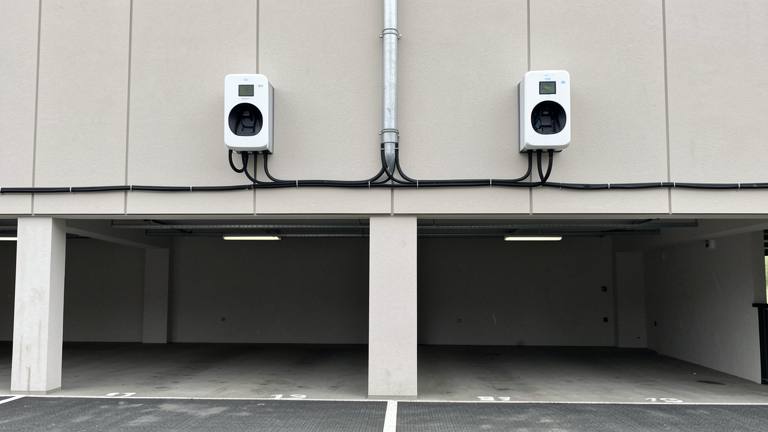
Monitored: every session · charging power and duration
The scenario: Vehicles charge at full power the moment they are plugged in, whether they leave in one hour or in ten. The energy is the same; the peak it creates is not.
Method proven on a live European reference aquatic center; presented anonymously.
Estimate from metered / design values. Zero-grid-import windows are real (metered).
Grounded in the applicable national standards for pool water treatment, plant energy performance and building energy performance. Same knowledge base as the European reference site; presented anonymously.
OCPP is the open protocol between charge points and their backend. It makes charging infrastructure readable across vendors — the precondition for including charging in a load picture at all.
Basis: plant engineering
No, as long as the departure time is known or can be estimated. Shifting happens only within the window between arrival and departure — the charge is ready in time.
Basis: plant engineering
It follows from dwell time minus required charging time and therefore differs from property to property. That gap is measured rather than assumed.
Basis: plant engineering
Stromfee.US licenses the pool & wellness HVAC AI — proven in Europe, deployed on your existing plant. Single property, portfolio or chain.
Request software license →