Stromfee.US · arbitrage levers · revenue transparency
D2
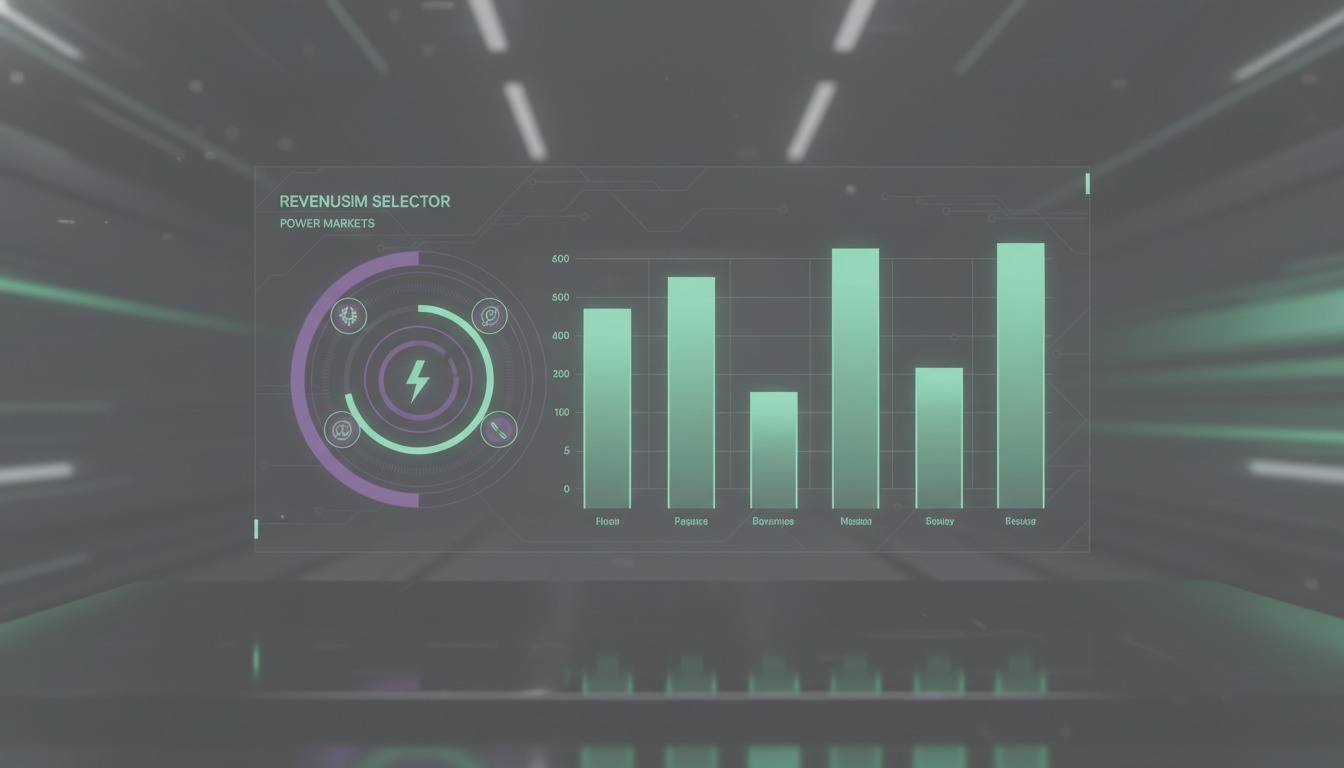
The menu of US revenue streams for a battery: DAM arbitrage · FMM/RTM · Regulation Up/Down · Spinning/Non-Spinning Reserve · Resource Adequacy. ALTERNATIVES per hour — not additive.
One megawatt can only be in ONE use at a time. US ISOs co-optimize energy and ancillary services, so the market itself allocates the battery to its highest-value use each hour. Resource Adequacy (capacity contracts) stacks on top as a monthly $/kW-month payment in California.
US market roles, cleanly separated (FERC market design).
Makes the allocation decision through its bids: energy spread vs. ancillary awards vs. RA commitments.
Sees which market qualifications (telemetry, AGC capability, RA deliverability) are worth building.
Assesses the breadth of revenue sources — diversification lowers risk; shallow AS markets saturate.
All shown products are wholesale/ISO domain; utilities buy RA from storage but don't trade it.