Return temperature
Ventilation/dehumidification — the silent 24/7 load, with heat recovery. Part of the glass family — like our glass BESS, biogas plant and CHP.
Outdoor air → Fresh air → Heat recovery → Heating coil → Hall → Exhaust
Ventilation/dehumidification — the silent 24/7 load, with heat recovery. Part of the glass family — like our glass BESS, biogas plant and CHP.
Return temperature typically 55–70 °C; the spread between flow and return determines the heat output — a high return temperature worsens the thermal efficiency and prevents condensation utilization.
connect… · anonymous reference plant · read-only from the process control system, calculated in-house Flow … °C Return … °C Buffer top … °C Buffer bottom … °C Excerpt from … plant measurements. To the detailed explanation page with video →
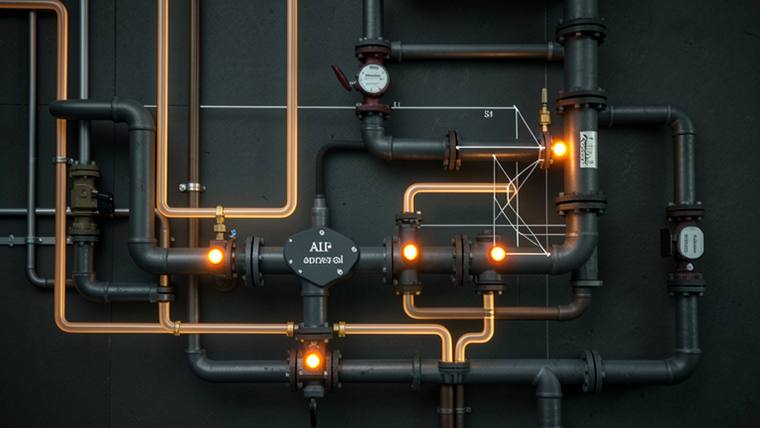
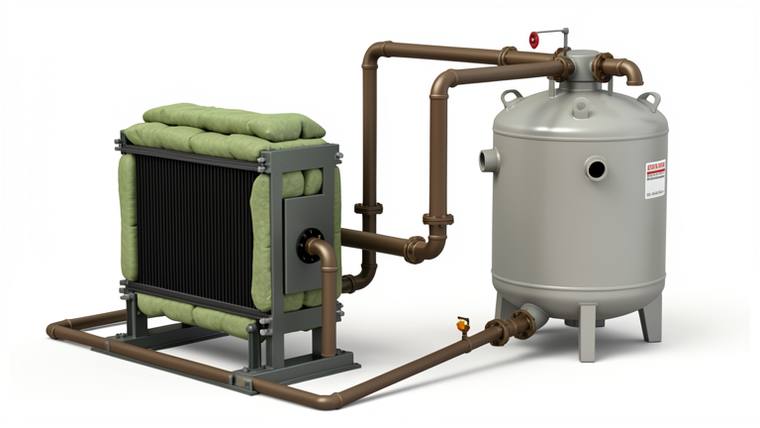
Monitored: continuous
The scenario: as the spread decreases, the CHP unit extracts less heat, resulting in lower overall efficiency and cogeneration benefit. The AI: detects the shrinking spread early, before the amount of heat drops significantly. It identifies the trend before the limit value is reached.
An optimised return temperature maximises thermal efficiency and prevents unnecessary thermal losses. Adherence to the target range of 55–70 °C ensures process stability. A return temperature that is too high reduces the usability of waste heat for low-temperature applications. Heating water flow rate (m³/h) · Flow/return spread (K) → — kW thermal Calculation path: flow rate × spread × 1.16 kWh/(m³·K) (water)
Stromfee.US licenses the pool & wellness HVAC AI — proven in Europe, deployed on your existing plant. Single property, portfolio or chain.
Request software license →