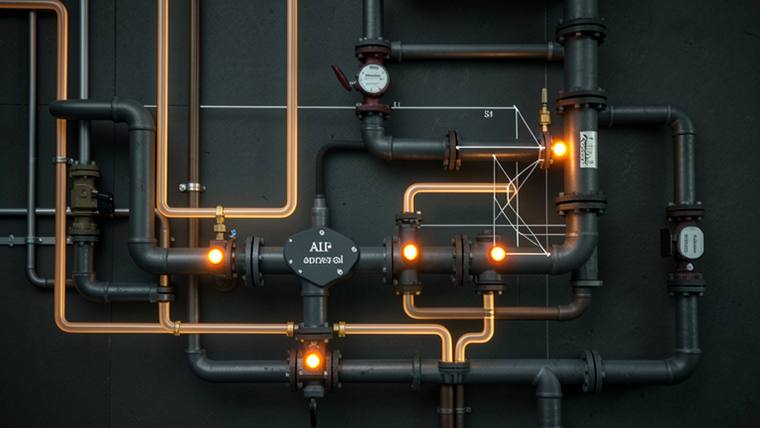
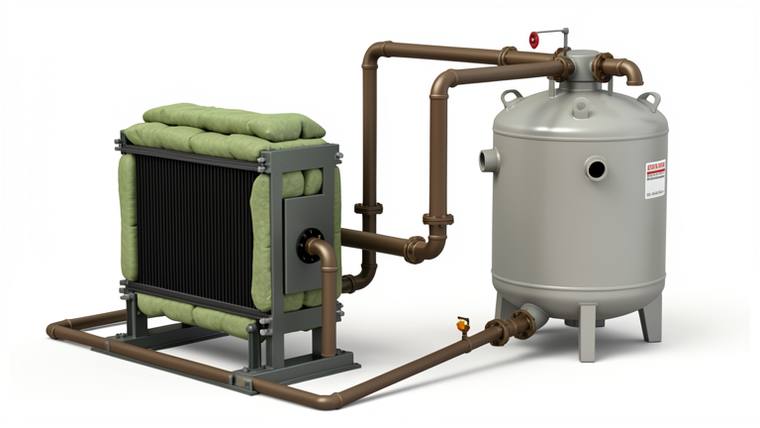
The Glass CHP · CHP

What temperatures does the heating network require?

Ventilation/dehumidification — the silent 24/7 load, with heat recovery. Part of the glass family — like our glass BESS, biogas plant and CHP.
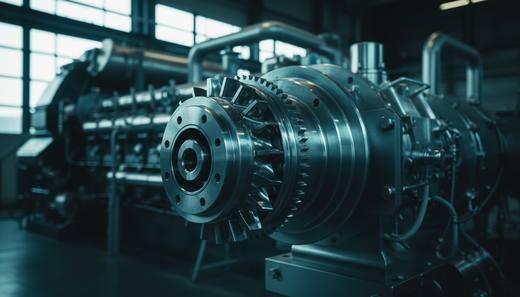
What temperatures does the heating network require?
Outdoor air Fresh air Heat recovery Heating coil Hall Exhaust
Glass-box in 4 steps

Understand → See it live → What the AI does → Your benefit

Step 1 of 4
1
Understand
2
See it live
3
What the AI does
Your benefit

What is "What temperatures does the heating network require?"?

In the district heating network, the flow temperature is typically 80–90 °C, the return temperature at 55–70 °C; the temperature difference determines the transferable heat capacity — a low return temperature improves the efficiency.

The plant — right now

connect… · anonymous reference plant · read-only from the process control system, calculated in-house Flow … °C Return … °C Buffer top … °C Buffer bottom … °C Excerpt from … plant measurements. To the detailed explanation page with video →

What the AI reads from these values

What the AI reads
  • Flow temperature (target range 80–90 °C) as an indicator for the supply capacity
  • Return temperature (target range 55–70 °C) to determine the network loss rate
  • Temperature difference as the basis for the heat output calculation
  • Deviations from the setpoint as an early indicator of circulation problems or insulation defects
Scenario

Monitored: continuous

The scenario: if the temperature difference decreases, the CHP unit extracts less heat, resulting in a lower overall efficiency and cogeneration benefit. The AI: detects the shrinking temperature difference early, before the amount of heat drops significantly. It identifies the trend before the limit value is reached.

Why this matters

An optimised return temperature minimises heat loss in the network and directly increases the overall energy efficiency of the CHP unit. Stable temperature parameters prevent thermal overloading of the components. Precise monitoring enables targeted maintenance of the circulation pumps and heat exchangers. Heating water flow rate (m³/h) · Flow/return temperature difference (K) → — kW thermal Calculation path: flow rate × temperature difference × 1.16 kWh/(m³·K) (water)

More pool worlds

Browse the 40 wizards

← PreviousFresh air▦ All 40
License the software

Bring the glass-box AI to your pool.

Stromfee.US licenses the pool & wellness HVAC AI — proven in Europe, deployed on your existing plant. Single property, portfolio or chain.

Request software license →