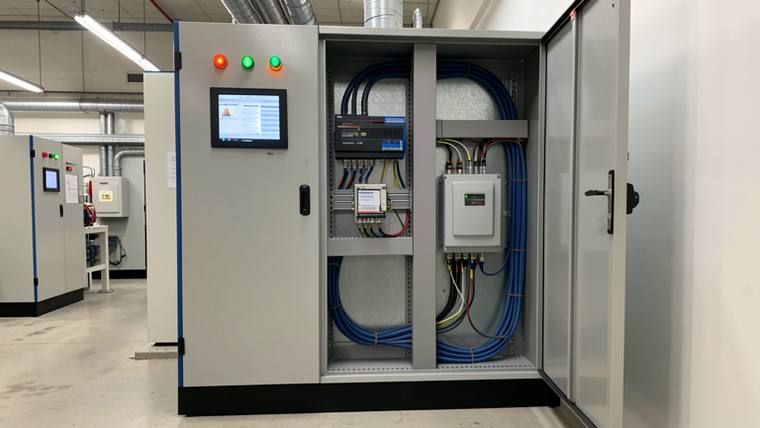
Ventilation/dehumidification — the silent 24/7 load, with heat recovery. Part of the glass family — like our glass BESS, biogas plant and CHP.
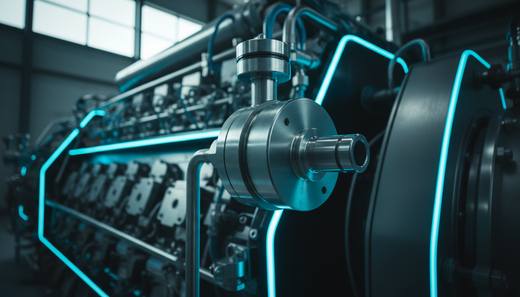
The CHP unit capacity is based on the heat base load demand (not the peak demand); a plant that is too large leads to many starts and low full-load hours — KWKG efficiency requirements and EEG degression limit sensible overcapacities.
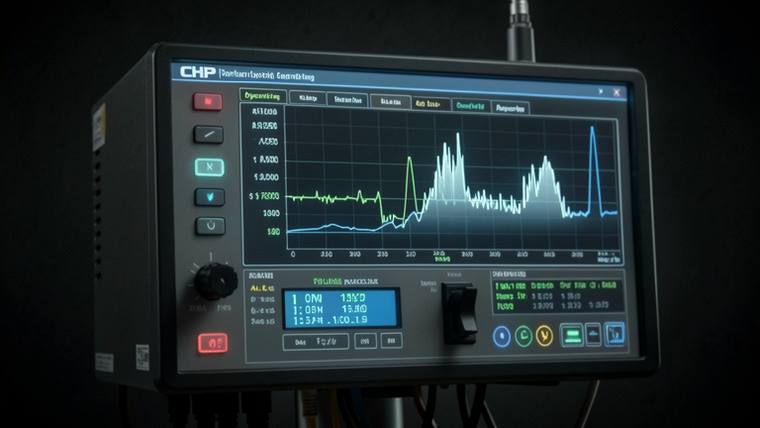
connect… · anonymous reference plant · read-only from the process control system, operating hours calculated in-house … starts … speed … 1/min target output … kW excerpt from … plant measurements. To the detailed explanation page with video →

Monitored: continuous
The scenario: if the CHP unit cycles too frequently, wear increases without an alarm being triggered, leading to a shorter service life and higher maintenance costs. The AI: detects the unfavorable operating pattern early and suggests a steadier mode of operation. It identifies the trend before the limit value is reached.
Precise dimensioning minimises specific operating costs per generated kWh and maximises the service life of the components. Avoiding overcapacities ensures the optimal efficiency of the process. This prevents unnecessary wear costs caused by frequent start-up cycles in cases of insufficient thermal load. generated work per year (kWh) · nominal output (kW) → — full-load hours/year Calculation: generated work ÷ nominal output
Stromfee.US licenses the pool & wellness HVAC AI — proven in Europe, deployed on your existing plant. Single property, portfolio or chain.
Request software license →