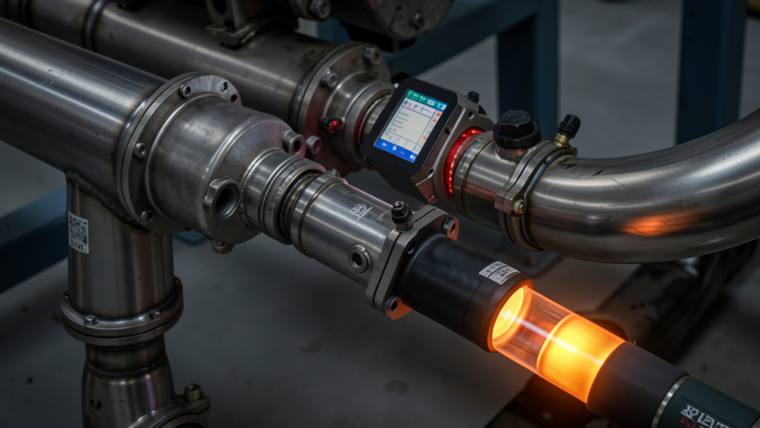
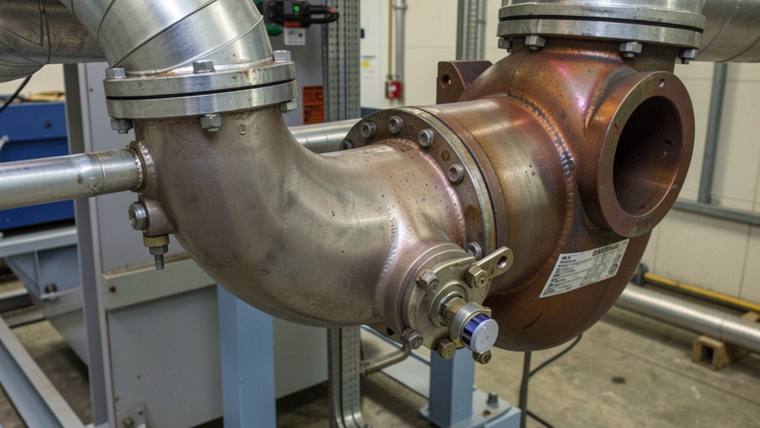
The Glass CHP · CHP

Exhaust gas temperature after turbocharger

Ventilation/dehumidification — the silent 24/7 load, with heat recovery. Part of the glass family — like our glass BESS, biogas plant and CHP.
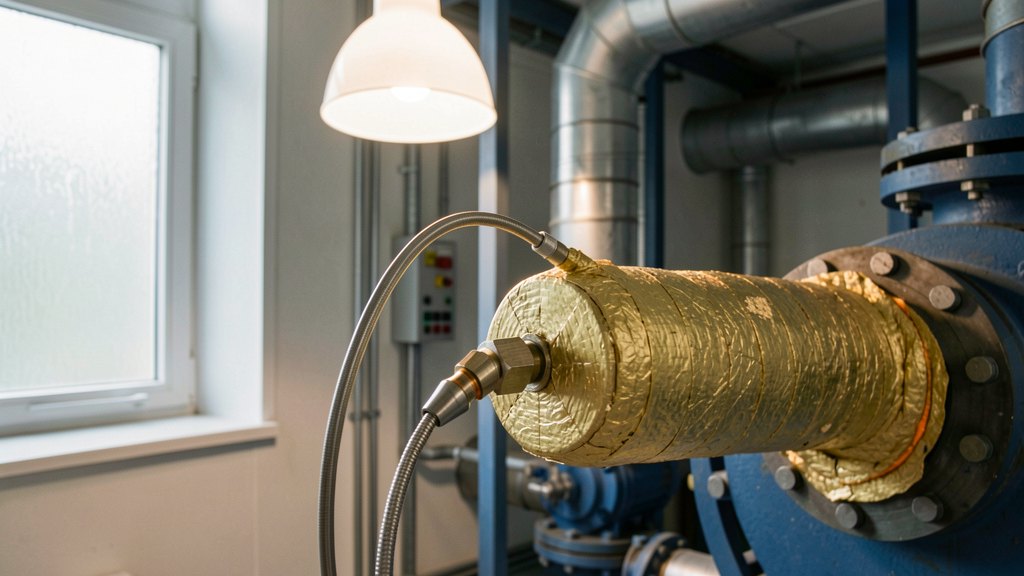
Exhaust gas temperature after turbocharger
Outdoor air Fresh air Heat recovery Heating coil Hall Exhaust
Glass-box in 4 steps

Understand → See it live → What the AI does → Your benefit

Step 1 of 4
1
Understand
2
See it live
3
What the AI does
Your benefit

What is exhaust gas temperature after turbocharger?

Usually lies 80–120 °C below the mean cylinder temperature; the temperature upstream of the catalyst (vKat) should be 380–450 °C — basic requirement for effective pollutant reduction.

The plant — right now

connect… · anonymous reference plant · read-only from the process control system, calculated in-house Exhaust gas Cyl 1 … °C Before Kat … °C After Kat … °C Intake air … °C Excerpt from … plant measurements. To the detailed explanation page with video →

What the AI reads from these values

What the AI reads
  • Deviation from mean cylinder temperature (target: 80–120 °C difference) as an indicator of combustion quality
  • Compliance with catalyst temperature (target: 380–450 °C) to ensure pollutant reduction
  • Detection of turbocharger defects through atypical temperature gradients in the exhaust flow
  • Monitoring of the thermal state to avoid material fatigue on the exhaust components
Scenario

Monitored: continuous

The scenario: an emission value creeps slowly upwards, is only noticed during the official measurement, in the worst case leading to operational restrictions. The AI: detects the trend towards the limit value early and reports the need for action before the measurement occurs. It identifies the trend before the limit value is exceeded.

Why this matters

Stable operating values prevent thermally induced component failures and ensure the long-term availability of the CHP unit. Monitoring enables precise diagnosis of combustion efficiency. This reduces unplanned downtime caused by material degradation in the exhaust system. Measured value (mg/m³) · Limit value (mg/m³) → — % reserve to limit value Calculation: (Limit value − Measured value) ÷ Limit value × 100

More pool worlds

Browse the 40 wizards

← PreviousFresh air▦ All 40
License the software

Bring the glass-box AI to your pool.

Stromfee.US licenses the pool & wellness HVAC AI — proven in Europe, deployed on your existing plant. Single property, portfolio or chain.

Request software license →