Maximum charging power
Ventilation/dehumidification — the silent 24/7 load, with heat recovery. Part of the glass family — like our glass BESS, biogas plant and CHP.
Outdoor air → Fresh air → Heat recovery → Heating coil → Hall → Exhaust
Ventilation/dehumidification — the silent 24/7 load, with heat recovery. Part of the glass family — like our glass BESS, biogas plant and CHP.
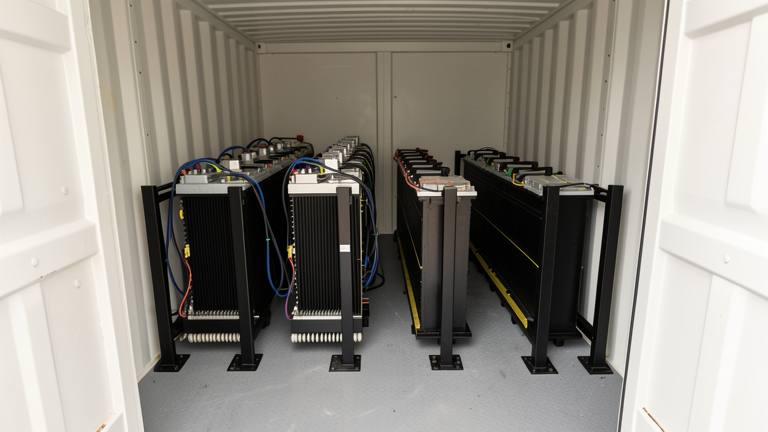
> Maximum charging power is a critical parameter in battery energy storage systems (BESS), which defines the maximum power intake during the charging process. According to IEC 62933-2-1, this value determines the sizing of the power electronics and the speed of energy capture. Precise monitoring via the p_max_charge register is essential to optimise the utilisation of the installed capacity.
p_max_charge This wizard is linked to a real register. The value is read as read-only and calculated in-house — nothing leaves the plant. The value runs from inside the container.
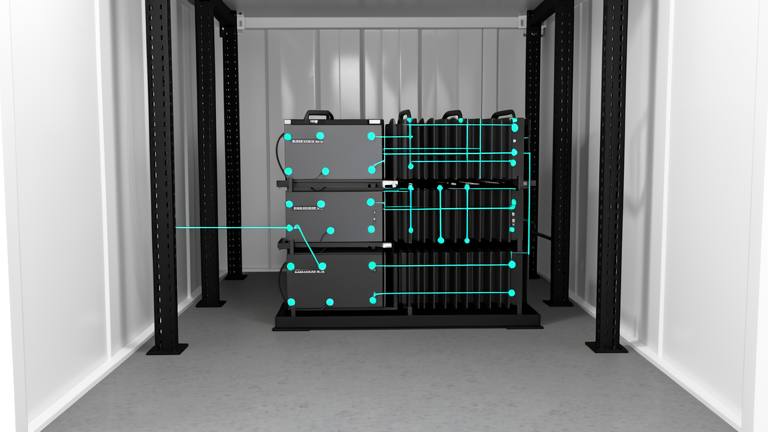
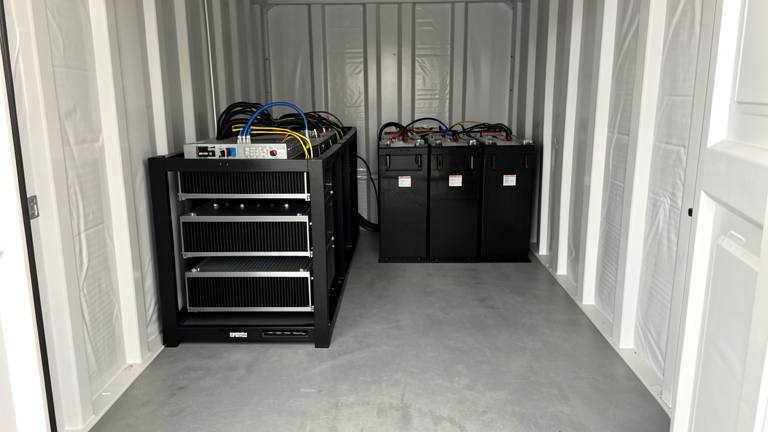
Monitored: continuous
The scenario: > Monitored: continuously · according to price and weather The scenario: if storage operates without preparation during peaks, it is purchased at a high price, leading to avoidable purchase costs and a loss of arbitrage. The AI: identifies early when pre-charging is required — the peak is covered, the rest earns. It detects the trend before the limit is reached.
An optimised maximum charging power minimises opportunity costs from unused PV surpluses and maximises the daily number of cycles. Higher charging powers allow for a faster response to volatile market prices. This leads to a direct increase in daily arbitrage revenue in BESS operation. shifted energy (kWh) · Price spread (ct/kWh) → — €/cycle Calculation path: Energy × Spread
Stromfee.US licenses the pool & wellness HVAC AI — proven in Europe, deployed on your existing plant. Single property, portfolio or chain.
Request software license →Grounded in the applicable national standards for battery energy storage systems. Same knowledge base as the European reference plant; presented anonymously.
Basis: the applicable national standards. Values shown are those measured on the plant, not target figures.