Battery Storage Development in Canada: Where It Stands
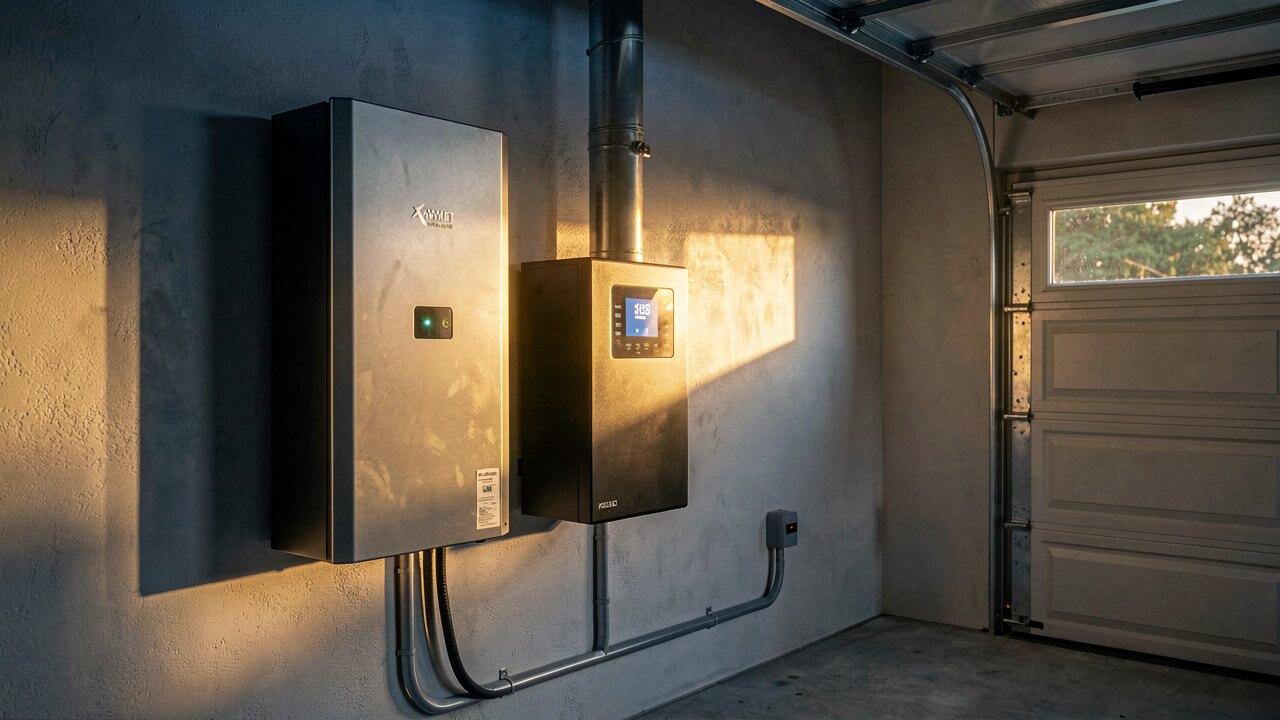
Battery storage in Canada has moved from pilot projects to contracted, grid-scale infrastructure, driven mainly by Ontario and Alberta. Below is the current picture, the drivers behind it, and what a developer or property owner needs to know before committing capital.
Canadian battery storage development has passed through three recognisable stages. Until the late 2010s it was demonstration-scale: single-digit megawatt units testing frequency regulation and behind-the-meter demand-charge reduction. The second stage was market access — Alberta's energy-only market and Ontario's capacity and ancillary-service markets began accepting batteries as legitimate resources. The third and current stage is procurement at scale: utilities and system operators now sign long-term contracts for storage as a planned grid asset, not an experiment. The Oneida Energy Storage Project in Haldimand County, Ontario — roughly 250 MW — is the flagship example and among the largest in the country. If you are asking whether storage development in Canada is real or still theoretical: it is contracted, financed and under construction.
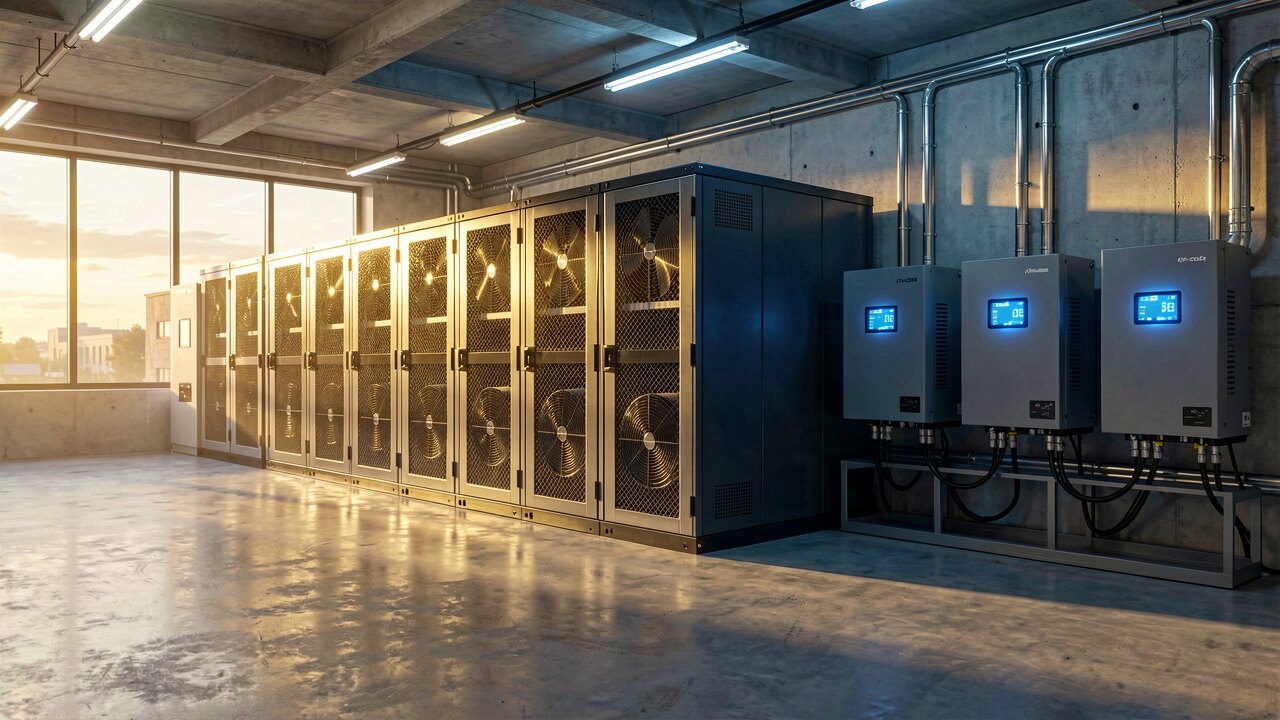
First, capacity need. Ontario faces retiring and refurbishing nuclear capacity plus rising demand from electrification and data centres, and the IESO has run long-term procurements that explicitly include storage. Second, market design. Alberta's real-time energy market and its ancillary services market reward fast-responding assets, which is exactly what a battery is; developers there earn from price spread and reserves rather than a fixed contract. Third, cost. Lithium-ion cell prices have fallen substantially over the past decade, which moved four-hour systems from uneconomic to bankable. Fourth, renewables integration — wind and solar output that arrives when prices are low needs a place to go. Note the asymmetry: Quebec, BC and Manitoba have large hydro reservoirs that already provide storage, which is precisely why the battery build-out is concentrated in Ontario and Alberta.
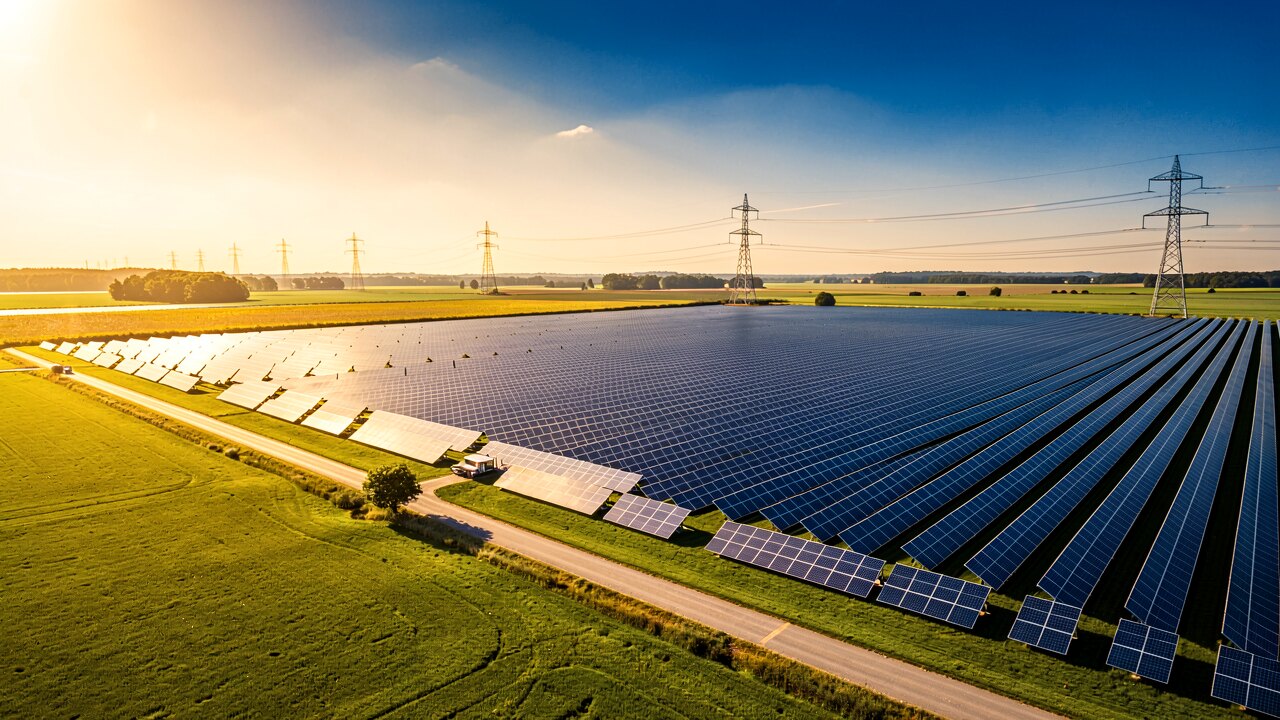
Ontario — the deepest pipeline. The Independent Electricity System Operator (IESO) has procured storage through its long-term RFP processes, and projects are frequently developed in partnership with First Nations, which has become a standard equity structure rather than an exception. Alberta — merchant development. The Alberta Electric System Operator (AESO) manages a market where batteries bid competitively; revenue is less certain but not capped, and this is where most unsubsidised projects sit. Quebec — Hydro-Québec's supply plan leans on hydro flexibility and interties, so battery development is more targeted (peak shaving, remote and off-grid communities). British Columbia — BC Hydro has run calls for power that increasingly consider storage alongside wind. Atlantic Canada and the territories — smaller projects, often tied to diesel displacement in remote communities, where the economics differ completely because the reference cost is trucked or flown-in diesel.
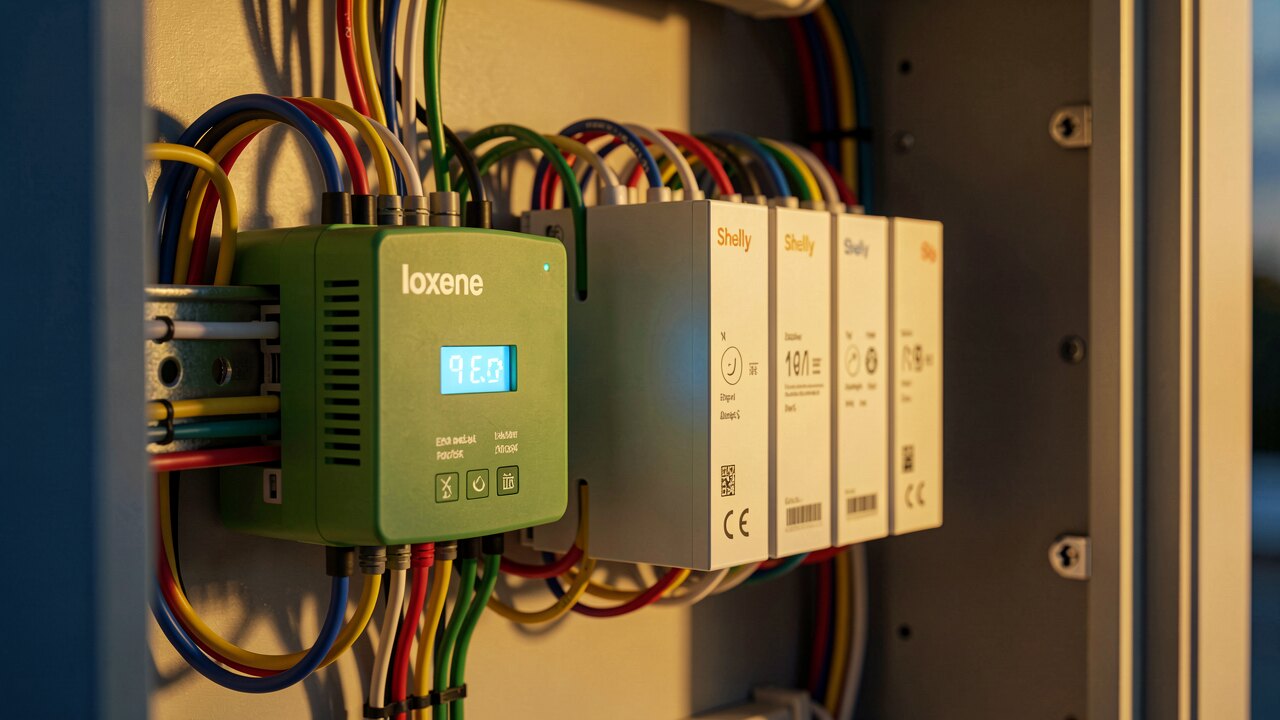
The dominant technology is lithium iron phosphate (LFP), which has displaced NMC in stationary applications because of its thermal stability and cycle life. Standard configuration is containerised DC blocks plus separate power conversion and medium-voltage transformation, typically sized for two to four hours of discharge at rated power. Cold weather matters in Canada: enclosures need active thermal management, and heating load in winter is a real parasitic consumption item that must be in the model. Two engineering items are routinely underestimated — capacity degradation over the contract term, which is usually addressed by planning cell augmentation in later years, and fire safety compliance, which in Canada follows NFPA 855 as adopted through provincial and municipal codes plus local fire-authority approval. Interconnection queue position with the local utility is frequently the longest lead item, ahead of equipment delivery.
The federal Clean Technology Investment Tax Credit is the central instrument: it is a refundable credit for eligible clean technology property, and stationary electricity storage that does not use fossil fuels in operation is within scope. Rates and labour-requirement conditions apply, and the phase-out schedule has been legislated, so confirm the current rate and eligibility window with CRA guidance or your tax advisor before basing a model on it. Beyond that: the Canada Infrastructure Bank has financed large storage projects directly, including Oneida; Natural Resources Canada's Smart Renewables and Electrification Pathways Program has supported storage and grid projects; and provincial programs exist separately — Ontario's Save on Energy runs demand-side and retail-level programs, and several provinces have their own industrial energy-efficiency streams. There is no single national residential battery rebate; support for home batteries is provincial or utility-level and varies widely.
Three things are worth tracking rather than assuming. Duration is likely to lengthen: as short-duration ancillary-service markets saturate, the value shifts to longer discharge, which changes project sizing. Interconnection reform is under discussion in several jurisdictions, and queue timelines are the most common cause of schedule slip. And revenue stacking rules — whether one asset can earn from capacity, energy arbitrage and ancillary services simultaneously — are set by each system operator and can change during a project's life, which is the single largest modelling risk for merchant projects in Alberta. Treat any published pipeline figure as announced capacity, not operating capacity; the gap between the two is consistently large, and only contracted or financed projects belong in a serious forecast.